
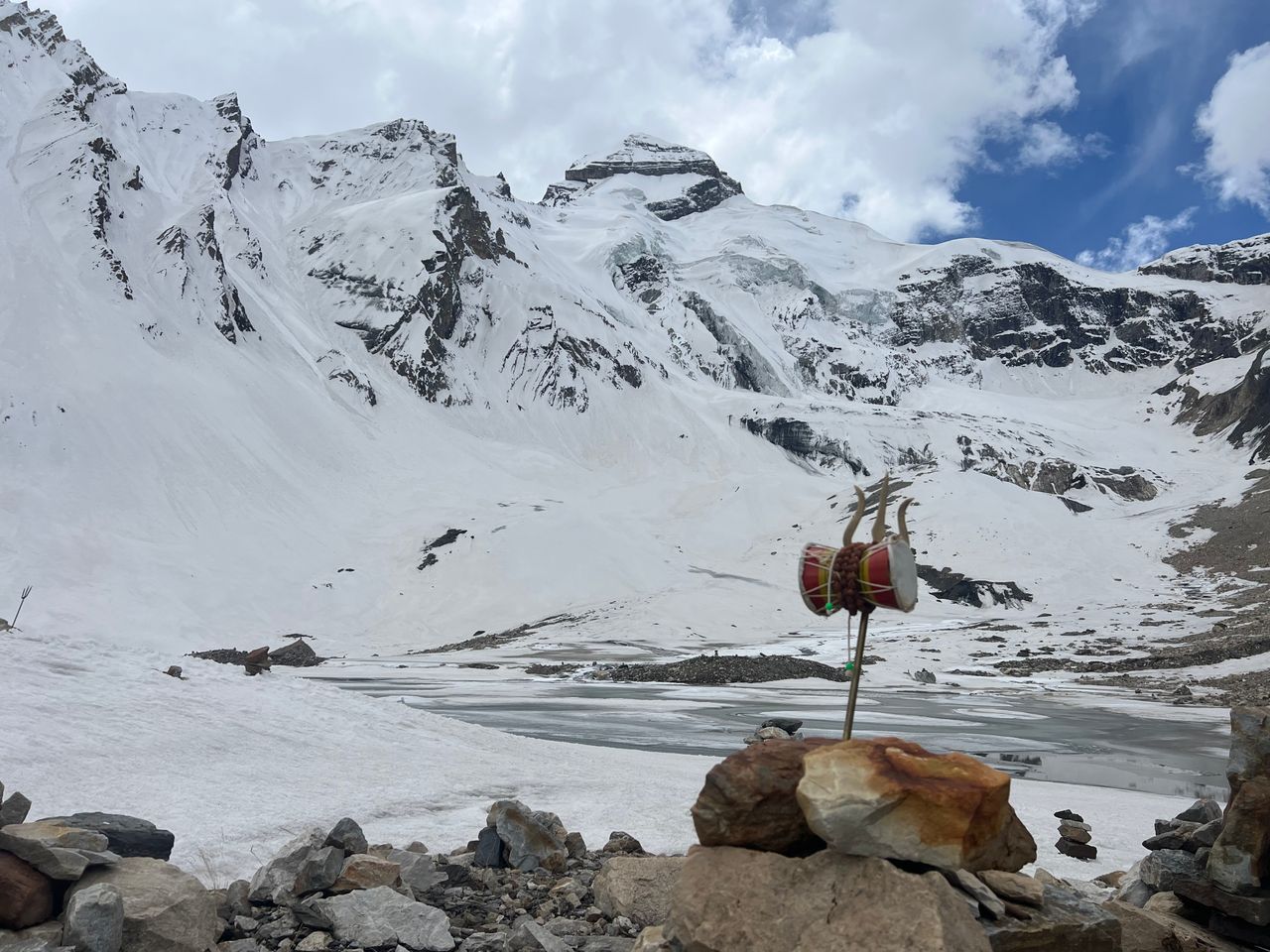
Embarking on the Adi Kailash and Om Parvat Yatra is an extraordinary experience, but it takes you to staggering heights. With base points like Jolingkong and Nabhidhang sitting well above 14,000 feet (4,200+ meters), the air is thin, and the oxygen levels drop significantly.
You do not need to be a professional athlete to complete this pilgrimage, but a solid foundation of physical fitness and a strict approach to acclimatization will make the difference between a life-changing spiritual journey and a medical emergency. Here is your step-by-step preparation blueprint.
🏃♂️ Part 1: The 6-Week Fitness Training Plan
To comfortably handle the sudden altitude shifts and short, steep walks near the sacred lakes, start this routine at least 6 weeks before your departure date.
1. Cardiovascular Endurance (3–4 days a week)
Building a strong heart and lungs helps your body utilize limited oxygen efficiently.
- What to do: Focus on brisk walking, jogging, cycling, or swimming.
- The Target: Work up to a continuous 5 km run in under 35 minutes, or a fast 10 km walk without feeling completely exhausted.
- Stair Climbing: Find a tall building or stadium stairs. Climb up and down for 20 minutes with a light backpack to prepare your calves and quads for high-altitude inclines.
2. Functional Strength Training (2 days a week)
You need core stability and strong legs to support your joints on uneven mountain terrain.
- Legs: Bodyweight squats, lunges, and calf raises (3 sets of 15 reps).
- Core: Planks, bird-dogs, and Russian twists. A strong core improves your balance on rocky trails.
🏔️ Part 2: The Golden Rules of High-Altitude Acclimatization
Acute Mountain Sickness (AMS) does not care how fit you are; it only cares how fast you ascend. Because infrastructure upgrades allow vehicles to climb quickly, proactive acclimatization is non-negotiable.
- The Gunji Pause: Most itineraries include a mandatory 24 to 48-hour stay at Gunji or Nabi (approx. 10,500 feet) before pushing to the higher bases. Use this time to rest, stroll gently around the village, and let your blood adapt to the altitude.
- Hydrate Aggressively: The air at high altitudes is incredibly dry, and your body breathes faster, expelling moisture. Drink 4 to 5 liters of water daily. Infuse it with electoral powders or ORS to maintain your electrolyte balance.
- Climb High, Sleep Low: If your itinerary allows, take short evening walks to a slightly higher ridge near your homestay, then come back down to sleep. This tricks your body into producing more red blood cells while ensuring a restful night.
- Strictly Avoid Alcohol and Smoking: Alcohol dehydrates the body and suppresses breathing, significantly increasing your risk of severe AMS. Skip them entirely until you descend back to Dharchula.
⚠️ Part 3: Recognizing AMS and Your Medical Toolkit
Listen to your body. Mild symptoms are normal warnings, but ignoring them can be dangerous.
Watch Out for Symptoms
- Mild (Normal Adjustments): Mild headache, slight breathlessness when walking, or light sleeplessness.
- Severe (Descend Immediately): Splitting headache that doesn’t go away with medicine, vomiting, extreme dizziness, slurred speech, or a persistent wet cough.
The Mandatory Medical Kit
Consult your family doctor before leaving and pack these essentials:
- Acetazolamide (Diamox): A well-known medication that helps the body acclimatize faster. (Usually started a day before ascending past Dharchula).
- Painkillers & Antacids: Ibuprofen or Paracetamol for mild altitude headaches, and medicines for motion sickness during the long, winding road drives.
- Portable Oximeter: Keep a small pulse oximeter in your daypack. Check your oxygen saturation levels every morning and evening at the homestays.