Tucked away in the pristine Vyas Valley of Pithoragarh, Uttarakhand, lies a land where the physical world blurs seamlessly into the spiritual realm. For centuries, the devout have dreamed of walking the path to Mount Kailash. Today, you don’t need to cross international borders to witness the absolute grandeur of Lord Shiva’s earthly domain.
The Adi Kailash and Om Parvat Yatra offers an intensely moving, deeply spiritual alternative completely within Indian soil. If you are looking to unlock an unforgettable Himalayan expedition filled with ancient legends, raw mountain landscapes, and profound internal peace, this complete travel guide covers everything you need to know.
The Spiritual Majesty: What Makes This Circuit Sacred?
This pilgrimage is not just a trek; it is a sacred walk through the pages of ancient Hindu scriptures. The region holds two distinct, awe-inspiring highlights:
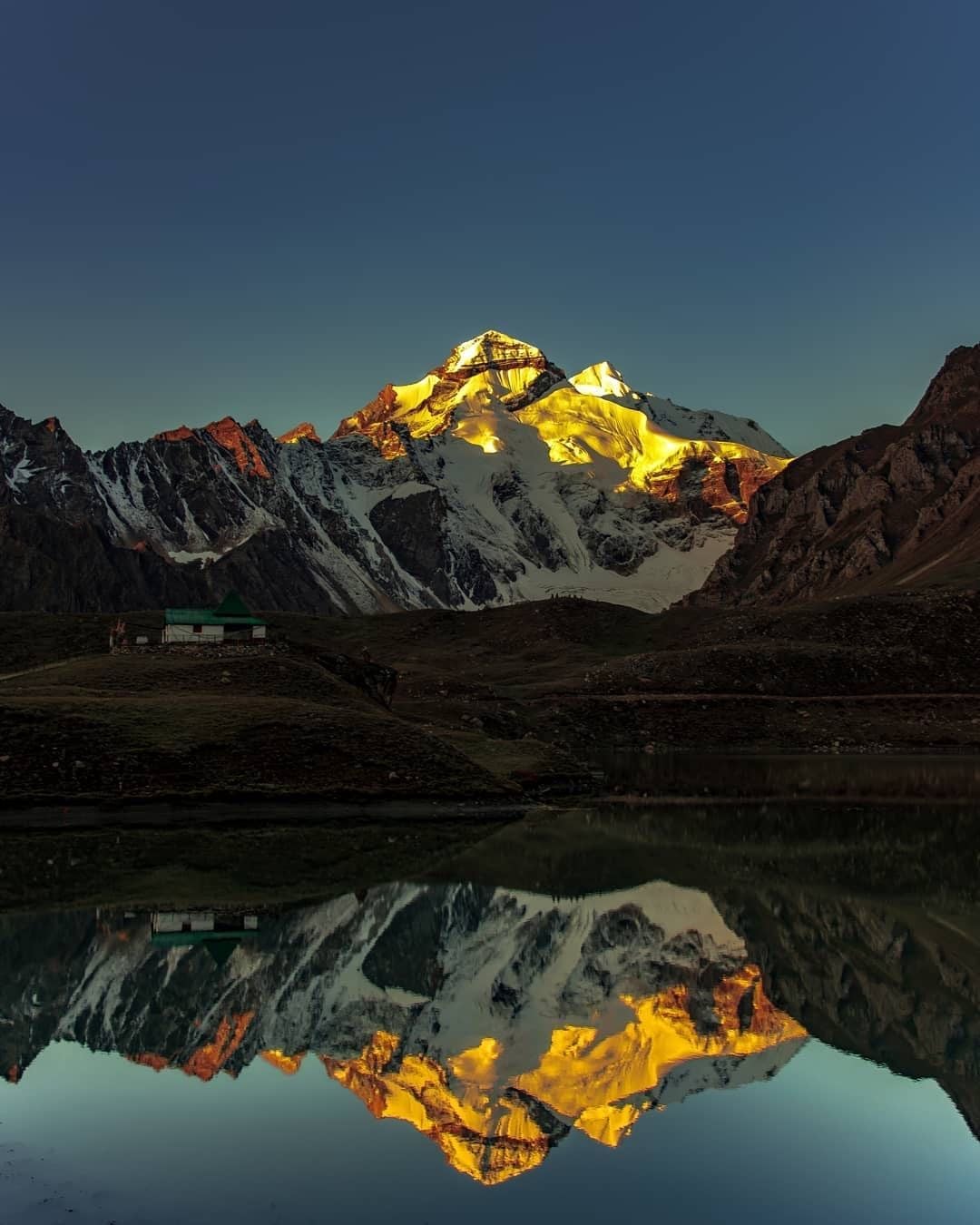
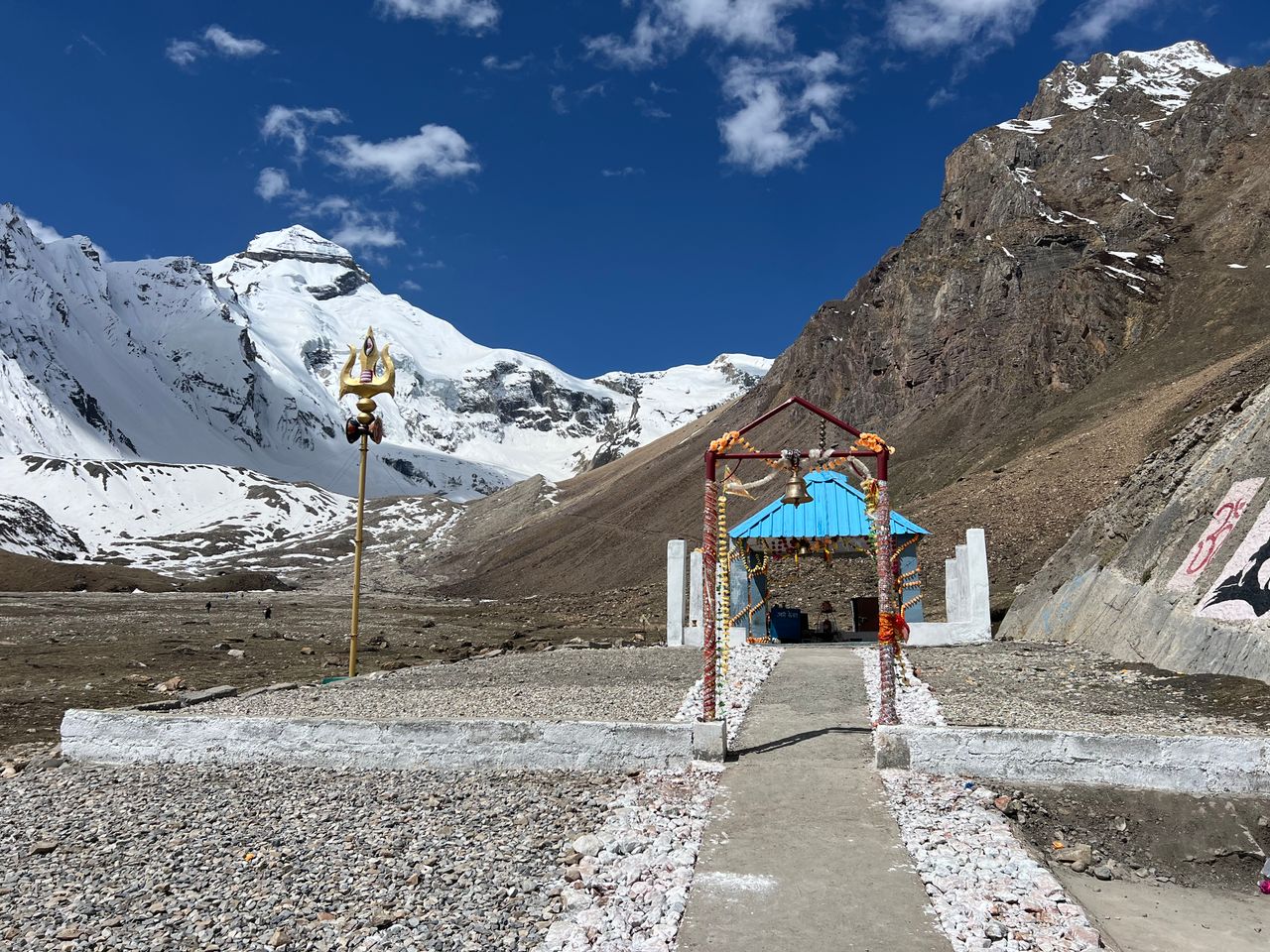
- Adi Kailash (Chhota Kailash): Towering at an altitude of 5,945 meters, this peak is revered as the first residence of Lord Shiva and Goddess Parvati. It holds a striking physical resemblance to Mount Kailash in Tibet. At its base lies Parvati Sarovar and the pristine Gauri Kund, where reflection of the peak shimmers like pure magic.
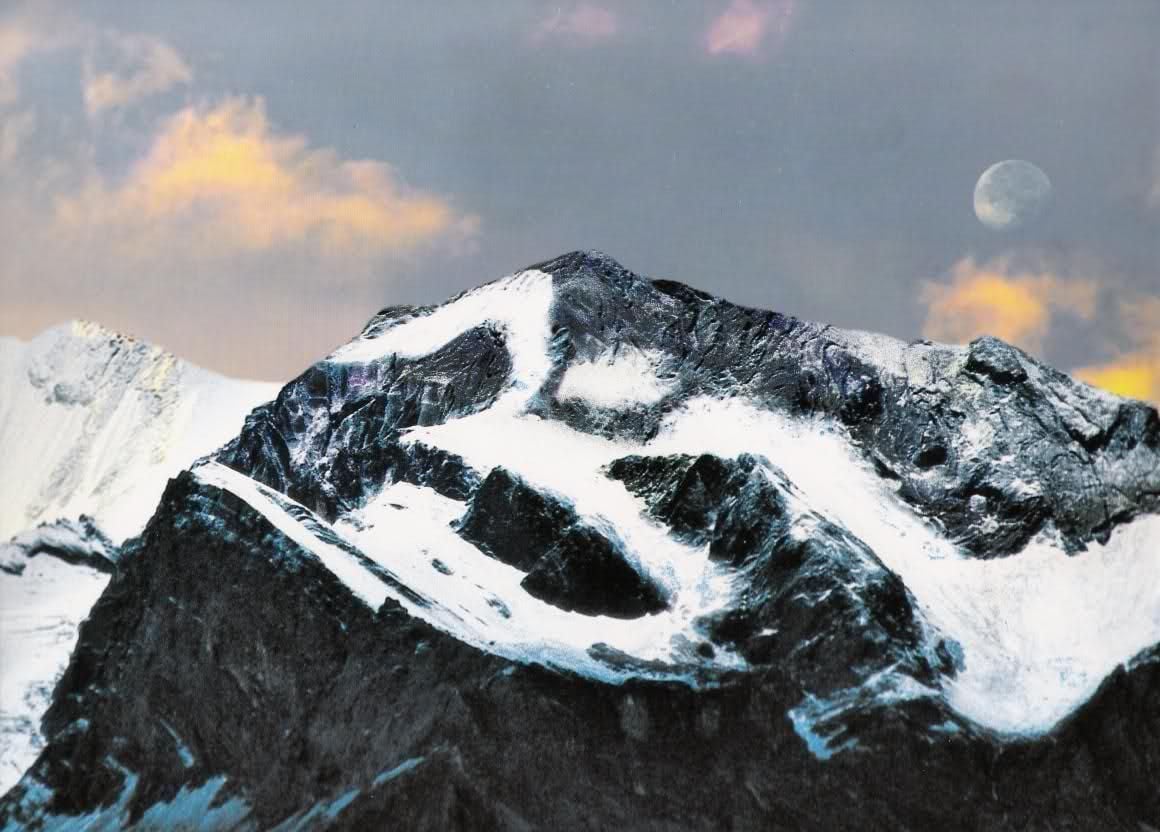
- Om Parvat: Nature performs its ultimate miracle here. On this 5,590-meter peak, the snow deposits naturally settle into the flawless, ancient shape of the sacred Vedic symbol—“ॐ” (Om). Witnessing this symbol etched against the dark mountain rock is a moment that leaves every traveler speechless.
The Essential Route & Itinerary Overview
Thanks to major infrastructure upgrades by the government, the grueling multi-day treks of the past have been largely replaced by smooth, motorable roads, making the journey much more accessible. A standard circuit typically spans 7 to 8 days.
| Day | Destination / Activity | Key Highlights |
|---|---|---|
| Day 1 | Kathgodam to Dharchula | Long scenic drive along the Kali River |
| Day 2 | Dharchula to Gunji / Nabi | Border town checkposts and high-altitude acclimatization |
| Day 3 | Gunji to Jolingkong (Adi Kailash) | Darshan at Parvati Sarovar and Gauri Kund |
| Day 4 | Gunji to Nabhidhang (Om Parvat) | Witnessing the natural “Om” symbol & Vyas Gufa |
| Day 5 | Gunji back to Dharchula | Descent back to lower altitudes |
| Day 6 | Dharchula to Kathgodam | Return journey with spiritual me |
Best Time to Visit
Timing is everything when exploring the high-altitude Kumaon Himalayas. The pilgrimage season runs roughly from May to October.
- May to June (Peak Spring/Summer): Ideal weather with clear skies and brilliant views. It is the most popular window for travelers.
- July to August (Monsoon Phase): The yatra is frequently suspended during peak monsoons due to landslide risks in the fragile mountains. It is best to avoid these months.
- September to October (Autumn Window): The air turns crisp, the monsoon clouds clear completely, and fresh layers of snow highlight the “Om” symbol beautifully on Om Parvat.
Permits and Essential Travel Requirements
Because the route winds tightly along the sensitive international borders shared with Tibet and Nepal, safety protocols are strictly enforced.
- Inner Line Permit (ILP): A mandatory permit must be obtained from the Sub-Divisional Magistrate (SDM) office in Dharchula.
- Documentation: You will need to provide valid Government ID (Aadhaar or Passport), recent passport-sized photos, a physical fitness certificate from a registered doctor, and a local police verification report.
Pro-Tips for Your Digital Packing List
- Prepare for Zero Connectivity: BSNL is the only network that occasionally works up in Gunji or Dharchula. Expect to be completely offline once you head into the upper valley.
- Pack Layered Woolens: Even in June, the temperatures at Jolingkong can drop close to freezing point. Pack high-quality thermals, windcheaters, and heavy jackets.
- Carry Cold Cash: Dharchula is your absolute last stop for reliable ATMs. Keep plenty of paper currency handy for local snacks, porters, or small village homestays.